Purification as Symbolic Renewal, Not Performance
Within the esoteric traditions that inform Ars Sacra, cleansing was never understood as a spectacle nor a promise of transformation. It was a discipline—quiet, preparatory, and ethically restrained.
Ritual cleansing functioned as a symbolic act of restoration: of space, of object, and of intention. Rather than seeking outcome or influence, historical practices emphasized clarity—the removal of residue that obscured alignment within a larger cosmological order.
This journal entry examines cleansing as it was historically understood: not as an end, but as a necessary beginning.
Cleansing as Preparation, Not Invocation
Medieval and Renaissance ritual systems consistently positioned purification before any symbolic or ceremonial act. Texts such as the Ars Almadel and Ars Notoria frame cleansing as a prerequisite—never as a tool for control or manifestation.
Purification of tools, garments, and spaces served a practical symbolic function: it delineated sacred activity from ordinary time. Cleanliness marked transition. It established boundary.
In this sense, cleansing was less about removing impurity and more about restoring symbolic legibility.
Elements, Substances, and Symbolic Function
Historical sources reference a limited and deliberate use of materials—water, smoke, salt, light—each selected for symbolic resonance rather than potency.
Water represented renewal through continuity. Smoke carried intention upward, dispersing stagnation. Light clarified form and presence. These elements were not believed to “activate” objects, but to situate them properly within an ordered framework.
Ars Sacra preserves this understanding by approaching cleansing materials as carriers of meaning, not as mechanisms of effect.
Ethical Restraint in Ritual Systems
One of the most consistent themes across classical esoteric texts is restraint. Ritual cleansing was bound by moral and philosophical limits; excess was considered destabilizing.
The act of cleansing reaffirmed humility within the system. It reminded the practitioner—or observer—of their position within a hierarchy greater than individual will.
This ethical grounding distinguishes historical cleansing rites from modern reinterpretations that emphasize outcome, power, or personal gain.
Restoration of Symbolic Clarity
Over time, objects accumulate symbolic noise. Handling, exposure, and repetition blur intention. Ritual cleansing addressed this accumulation—not by erasing history, but by reestablishing clarity of purpose.
In material culture, this is especially evident in talismans, engraved objects, and ritual garments. Cleansing did not reset meaning; it re-centered it.
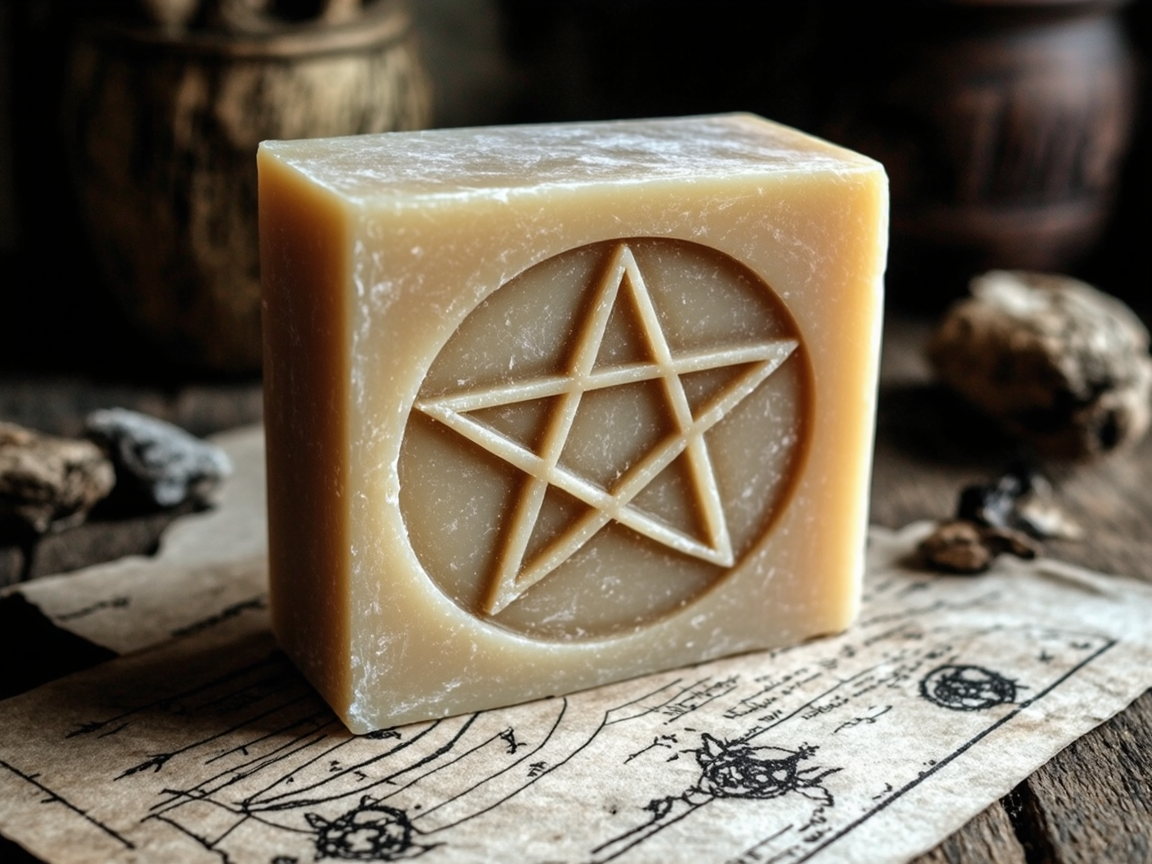
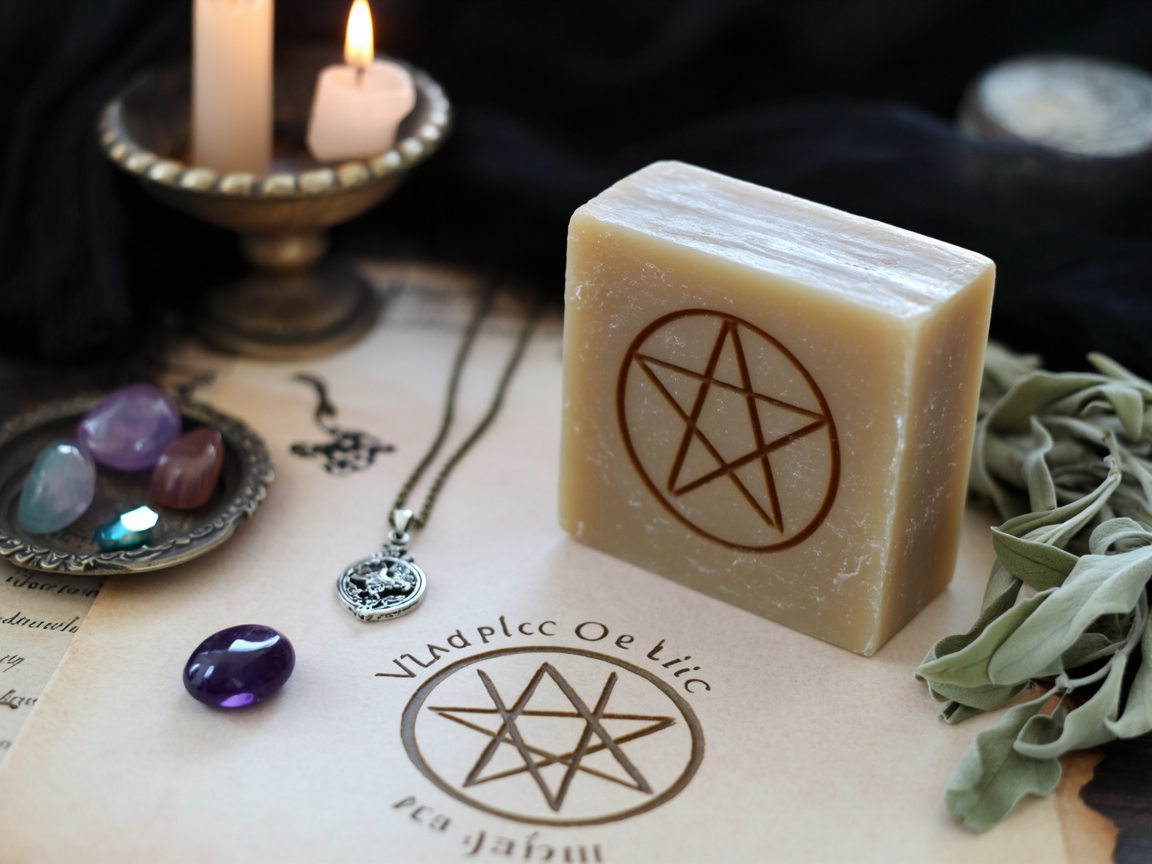
This principle informs Ars Sacra’s approach to ritual cleansing products: they are not transformative instruments, but contextual tools—meant to support reflection, care, and preservation.
Complement, Not Instruction
The Ars Sacra Journal does not prescribe rituals nor provide procedural guidance. Instead, it documents lineage.
By presenting cleansing as a symbolic and historical practice, Ars Sacra positions it as a contemplative act—one rooted in tradition, discipline, and respect for limitation.
Ritual begins not with action, but with preparation. Cleansing is where that preparation quietly takes form.