Garment as Symbolic Armor and Ritual Identity
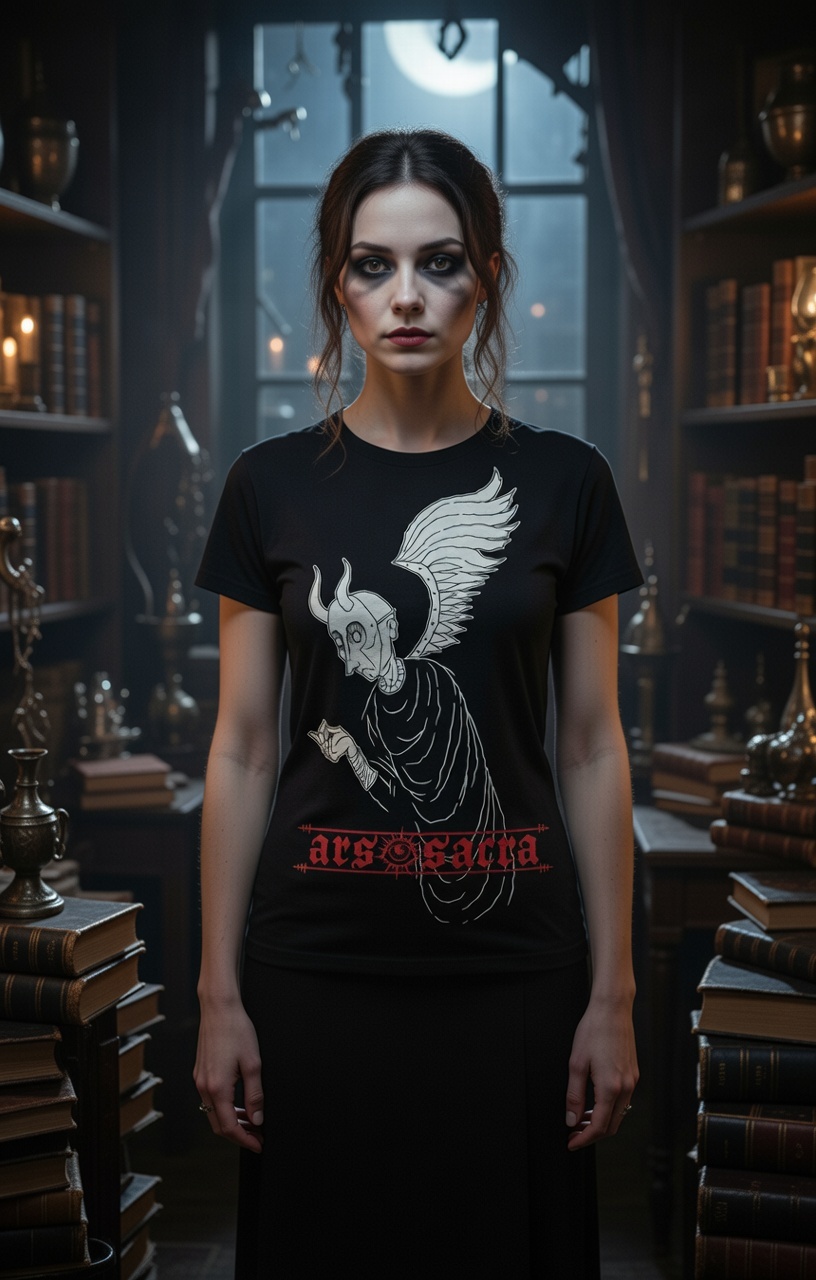
Within Ars Sacra, gothic fashion is not approached as aesthetic rebellion or seasonal trend. It is understood as a symbolic system—one in which clothing functions as boundary, declaration, and ritual presence.
Historically, garments carried meaning long before they carried style. Color, cut, material, and ornamentation communicated rank, vocation, protection, and alignment. Gothic fashion inherits this lineage not through imitation, but through continuity.
This journal entry examines dress as symbolic armor: a material expression of identity shaped by intention and restraint.
Clothing as Boundary and Threshold
In medieval and early modern contexts, clothing marked transition. Ceremonial robes distinguished sacred time from ordinary life; vestments signaled authority and responsibility rather than personal expression.
Dark garments—so often associated with gothic aesthetics—were not originally symbols of despair, but of gravity. Black absorbed light. It concealed distraction. It framed presence.
Within Ars Sacra, gothic dress is treated as a threshold object: worn to establish separation between the external world and the inner discipline of the wearer.
Jewelry as Devotional Object
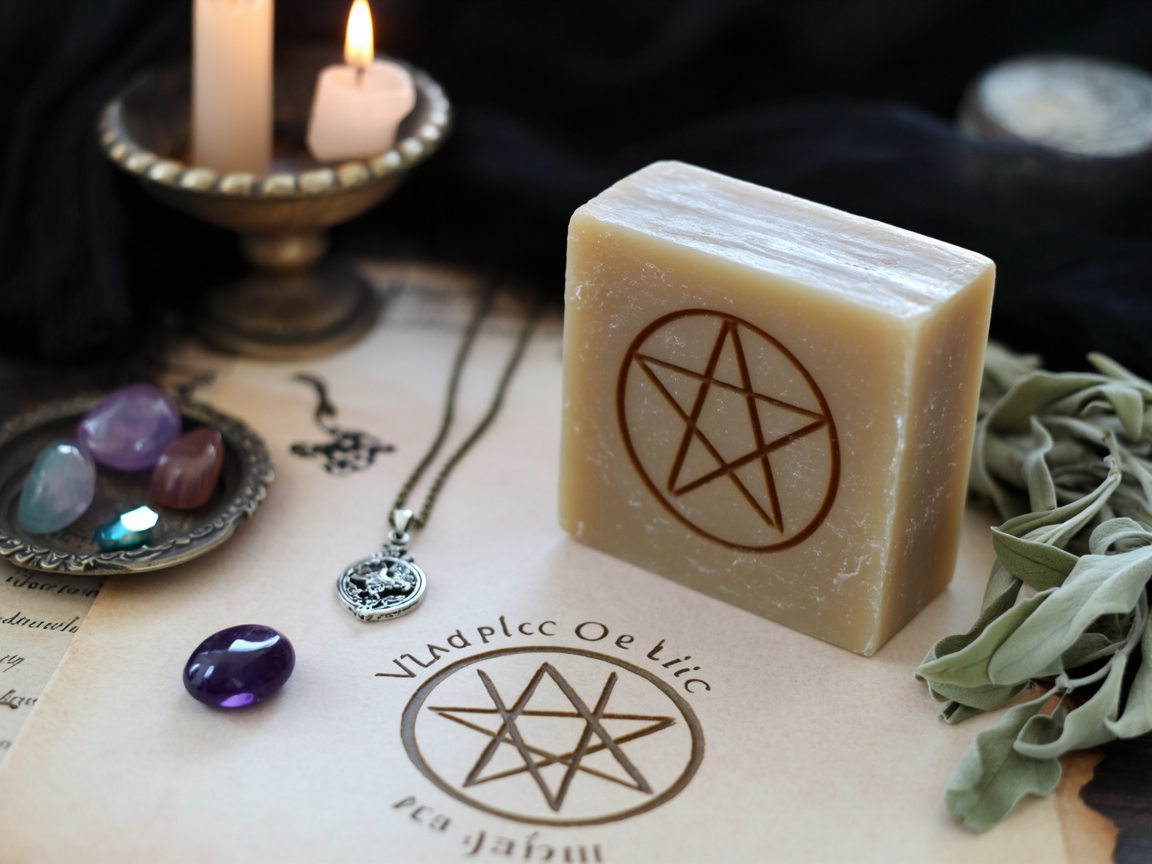
Historically, jewelry functioned as more than ornament. Rings, amulets, pendants, and engraved seals were worn as markers of oath, remembrance, and symbolic protection.
Materials were selected deliberately. Metals corresponded to planetary and philosophical systems; weight and patina were valued as signs of endurance rather than flaw.
Ars Sacra’s approach to gothic jewelry follows this tradition. Pieces are not designed to attract attention, but to anchor meaning. They are worn with awareness, not display.
Continuity with Ceremonial Dress
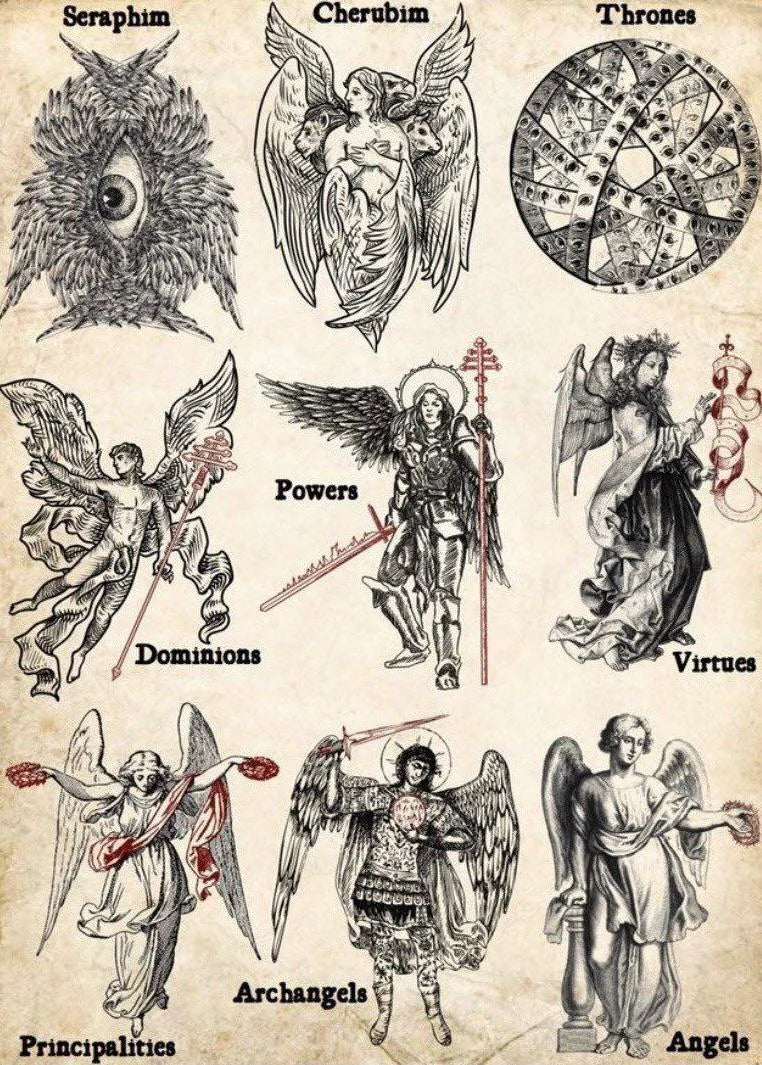
Gothic fashion draws deeply from ecclesiastical, monastic, and ceremonial precedents. Long silhouettes, layered textiles, and restrained ornament echo vestments designed to discipline the body and focus the mind.
These forms were never casual. They demanded posture, movement, and intention.
Modern gothic dress, when approached with care, preserves this discipline. It transforms clothing into ritual presence—an external structure that supports internal alignment.
Intention Over Trend
The Ars Sacra Journal does not issue fashion prescriptions. It documents symbolic inheritance.
Gothic fashion loses coherence when reduced to spectacle. It regains meaning when approached as intentional identity—where garments are chosen not for novelty, but for resonance.
In this framework, fashion becomes a daily ritual. Dressing is no longer consumption, but composition.
Wearing Meaning
To dress gothic within Ars Sacra is not to perform darkness, but to acknowledge depth. It is to wear history consciously—to recognize that fabric, metal, and form can carry memory.
The garment does not transform the wearer. It reflects them.
Meaning is not applied. It is embodied.